Posts by Collection

portfolio

Agentic Simulation for Exploring Emergent Behaviors

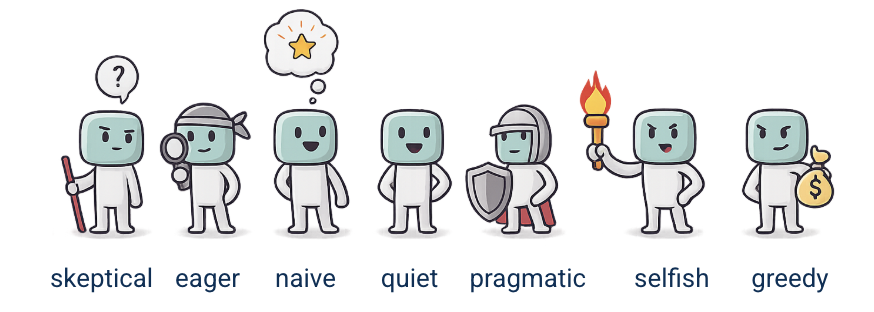
This project investigated how collective beliefs and coordination emerge in multi-agent LLM systems under uncertainty using a text-based agentic simulation framework. Building on a Werewolf social-deduction baseline, we designed a personality-driven “Shared Fictions” environment in which agents propose, negotiate, and adopt norms while managing shared resources and disaster risk. Through qualitative transcript analysis, we observed consistent coordination behaviors alongside a strong bias toward utilitarian, instrumental reasoning, even when agents were given heterogeneous personalities. The results highlight both the promise of LLM agents as tools for studying emergent social dynamics and their limitations in forming non-rational, symbolic shared beliefs. Overall, the work demonstrates how environment design and prompting strongly shape emergent behavior in artificial societies.
Visualizing Space Debris

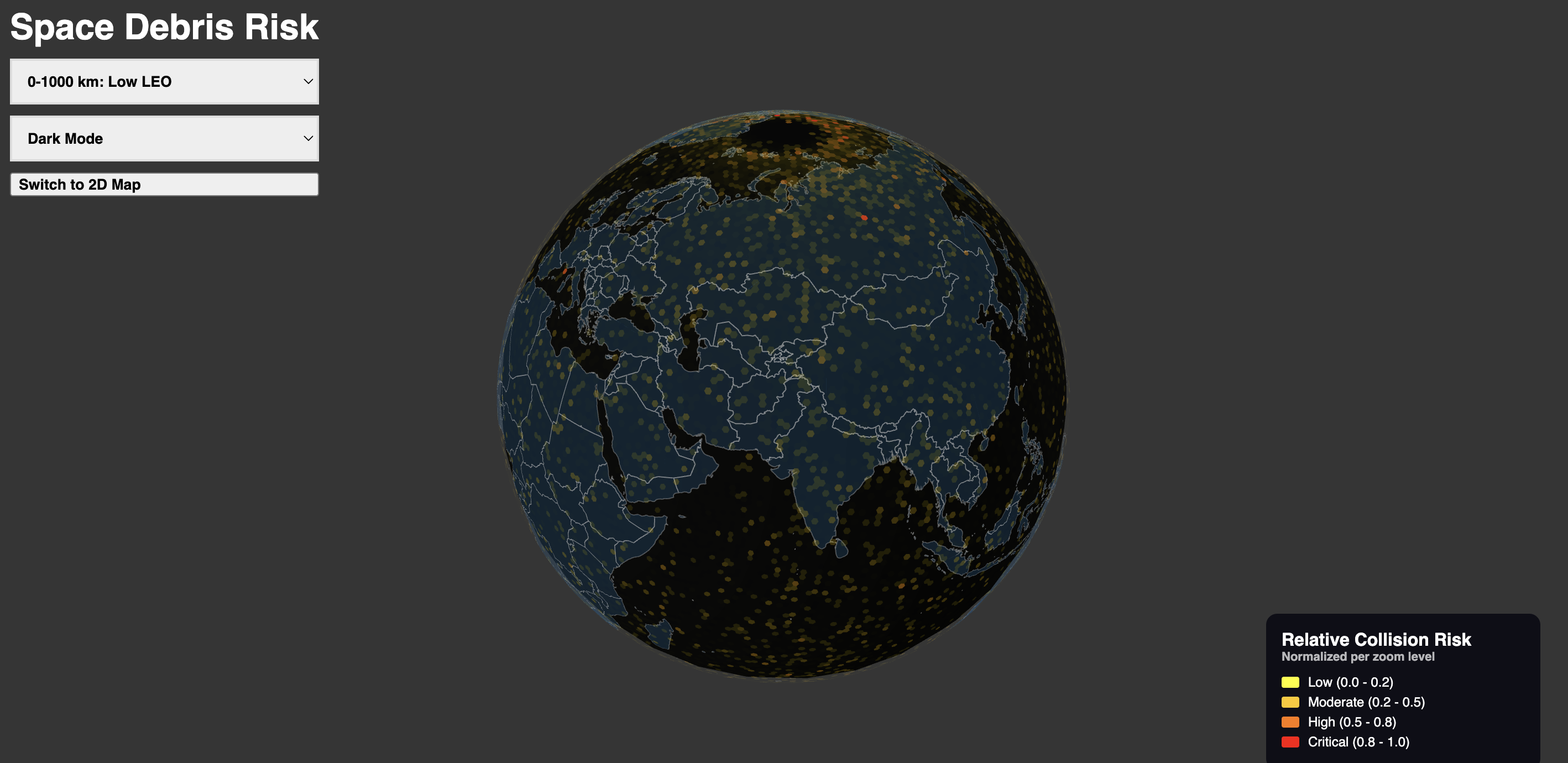
Built an interactive web visualization that models orbital space debris as a probabilistic density heatmap rather than millions of discrete points, addressing the performance and scalability limits of existing 3D point-based tools. Estimated spatial concentrations of debris, including the small, untracked fragments that most tools ignore, and rendered them as continuous risk fields to make collision risk across altitudes and orbital paths intuitive to explore. The resulting tool supports clearer decision-making for spacecraft design and mission planning in an increasingly crowded orbital environment.

Non-Invasive Cardiac Output Monitoring via Multi-modal Cardiovascular Signals and Deep Learning

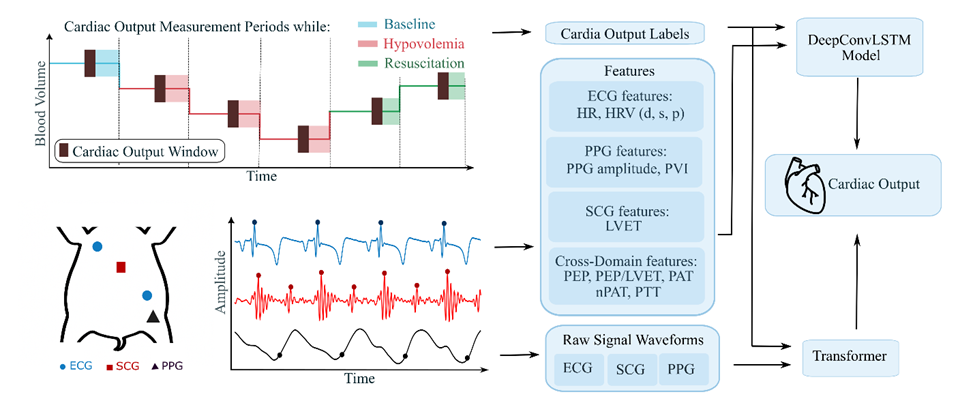
Developed a fully non-invasive, calibration-free method for estimating cardiac output (CO) from wearable cardiovascular signals, namely electrocardiography (ECG), seismocardiography (SCG), and photoplethysmography (PPG), to replace invasive, catheter-based gold-standard techniques that are impractical in field and trauma settings. Trained DeepConvLSTM and transformer models on both clinically validated cardiovascular features and raw multimodal signals, evaluating them on a porcine model (n=6) under controlled hemorrhage and resuscitation protocols. The approach targets intelligent, baseline-free CO monitoring for casualty-care scenarios where reliable measurements are otherwise unavailable.

SignStream

Built as part of the AT&T DESP 2026 Program, SignStream is a real-time American Sign Language recognition system that converts live signing video into fluent English captions for deaf and hard-of-hearing accessibility. Hand and body landmarks are extracted client-side with MediaPipe Holistic, which shrinks the per-sign payload to ~13 KB, then classified by a Spatio-Temporal Graph Convolutional Network (ST-GCN) reaching 80–90% top-1 (95%+ top-3) accuracy on a 100-sign vocabulary, with CPU-only inference at 165 ms P95 latency. An agentic correction-and-translation pipeline (Gloss Assembler + Translator) refines raw predictions into production-ready captions, served through a three-stage microservices architecture on Azure Kubernetes Service.

Caduceo

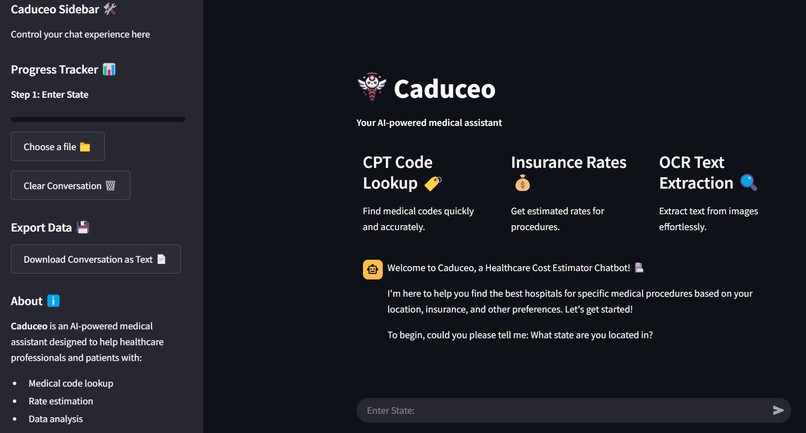
Developed a healthcare cost analysis chatbot that leverages OCR, NLP, and machine learning to detect overcharges in medical bills, providing accurate charge classification and explanations through a conversational interface. Engineered a multimodal AI pipeline integrating Azure AI Vision for OCR, a 4-bit quantized LLaMA 3.2B model, DBSCAN clustering, and MongoDB/Snowflake, achieving a Silhouette coefficient above 0.90 for charge anomaly detection. This project earned 2nd Place in the Assurant Challenge: Revolutionize AI Solutioning with Multimodal Agentic AI, where I collaborated with a team to deliver an end-to-end solution combining large language models, clustering algorithms, cloud services, and real-time data infrastructure.

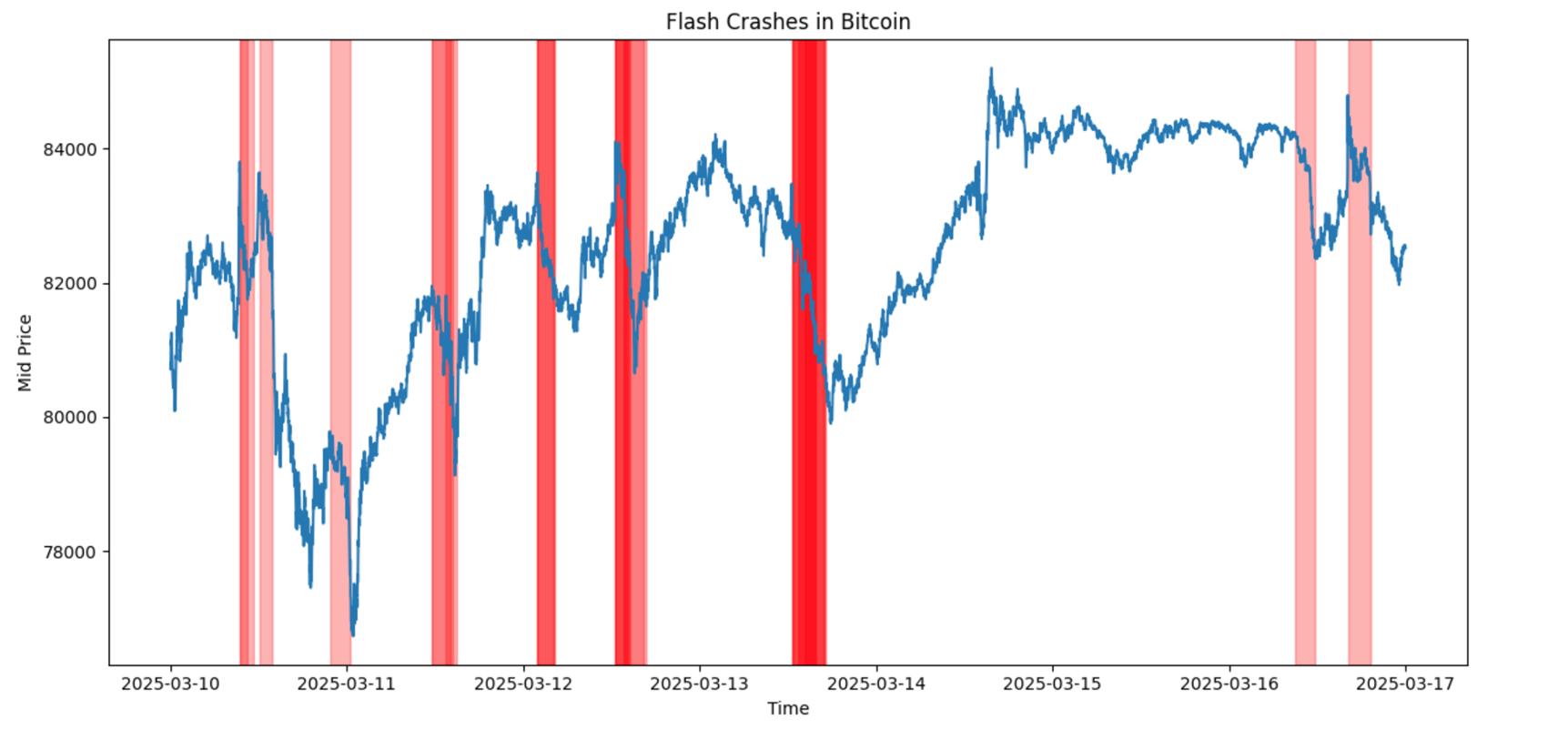
Detecting Flash Crash Precursors in Bitcoin Market Using Supervised and Unsupervised Learning

Investigated flash crashes in the Bitcoin market using features extracted from high-frequency order book data. Applied supervised models such as Random Forests and unsupervised autoencoders to detect pre-crash anomalies with strong predictive performance. Demonstrated that microstructure signals like liquidity imbalances and bid-ask spreads can provide advance warning of extreme price movements.

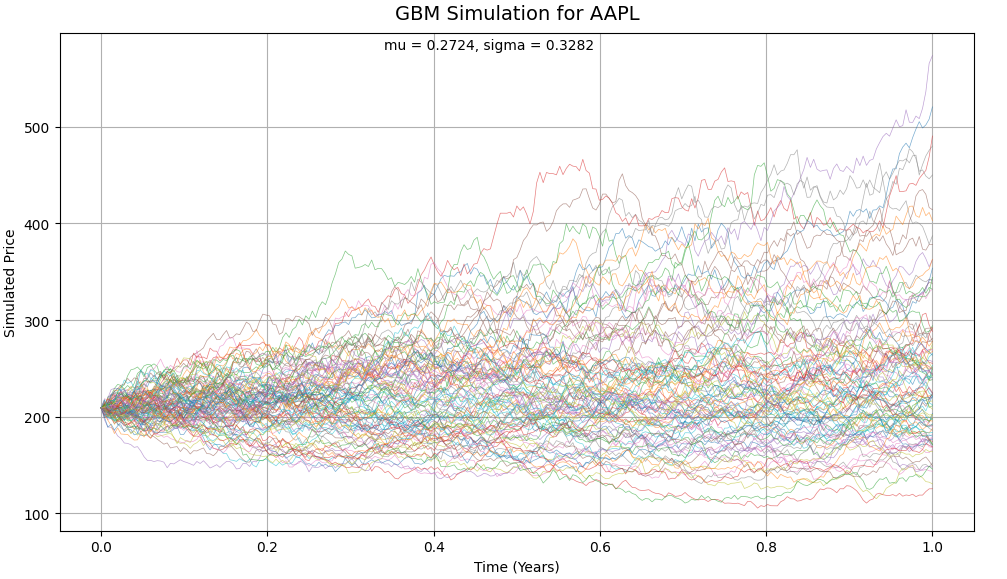
Multi‐Model Monte Carlo Portfolio Optimization

Developed a multi-model Monte Carlo framework to optimize equity portfolios under realistic price and interest-rate dynamics. Simulated asset paths using Geometric Brownian Motion, Merton jump-diffusion, CEV, and Heston models alongside Vasicek, CIR, and Ho-Lee rate scenarios to identify allocations that maximized Sharpe ratio. Enhanced risk-adjusted performance by incorporating vanilla options that reduced downside exposure while preserving upside potential.

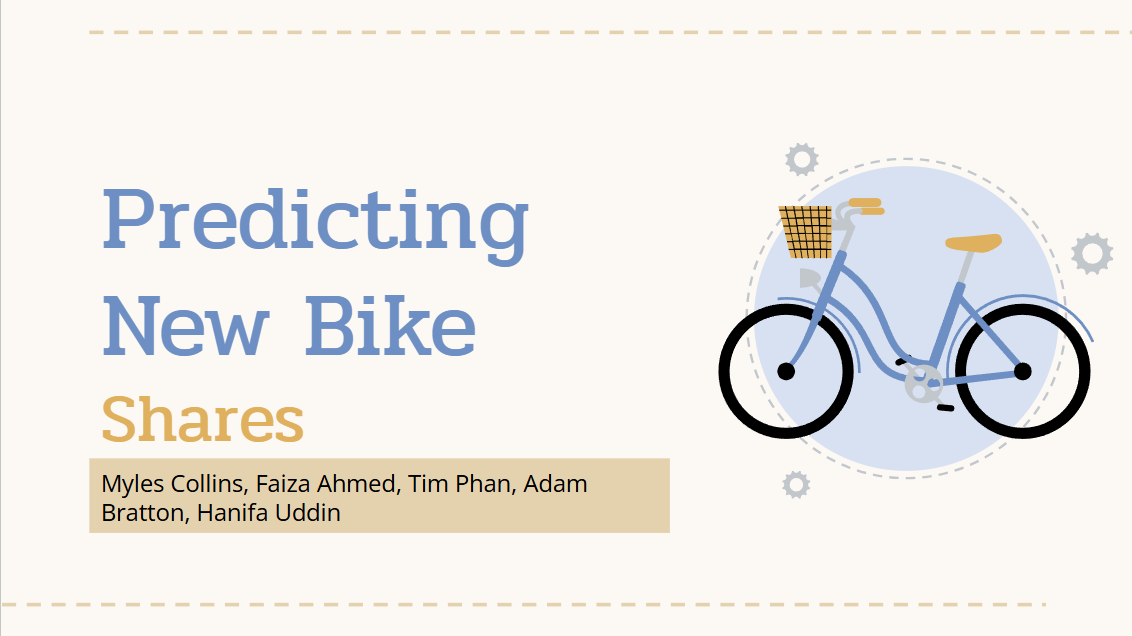
Predicting New Bike Shares

Conducted a detailed exploratory analysis on a bike-sharing dataset and identified “hour of the day” as a key predictor of usage patterns. Built and evaluated multiple machine learning models—including Random Forest, Feedforward Neural Network, and Gradient Boosting Machine—using K-fold cross validation. Model performance was assessed using MSE and RMSE, with the Random Forest achieving the best results (RMSE: 258.57).

publications

talks

teaching